Ledger Login: A Comprehensive 1200-Word Guide
Accessing and managing digital assets securely has become one of the most important responsibilities for anyone involved with cryptocurrency. As more users enter the world of decentralized finance, the need for safe storage and reliable platforms grows rapidly. This is where Ledger devices and the Ledger login process play a key role. Ledger combines hardware-level protection with intuitive software, creating a secure environment for buying, sending, receiving, and monitoring crypto holdings. Understanding how the Ledger login system works ensures users can access their portfolio with confidence while maintaining full control over their private keys.
Introduction to Ledger Login
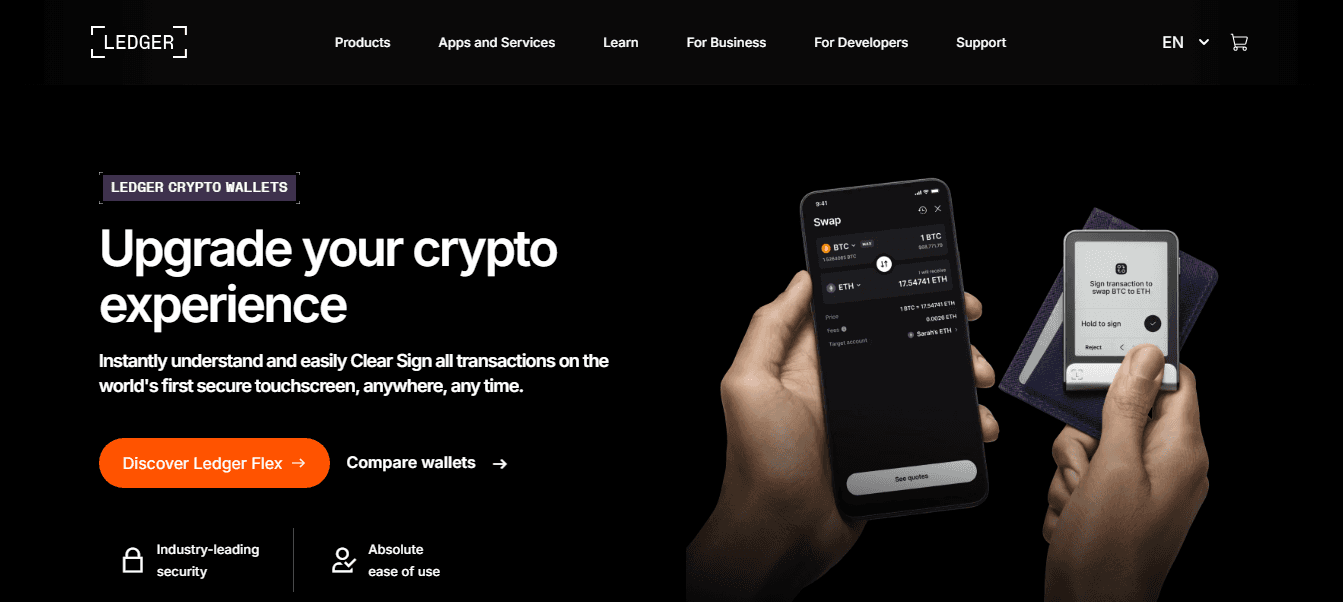
The Ledger login process is primarily associated with Ledger Live, the companion application designed to manage hardware wallets such as Ledger Nano S Plus and Ledger Nano X. Ledger Live provides a unified dashboard where users can view their balances, install apps, track market data, and perform transactions. Unlike traditional online accounts, Ledger login does not involve passwords stored on a server or cloud platform. Instead, authentication depends on physically connecting the Ledger device and verifying actions directly on it. This approach eliminates many common risks associated with online login systems.
When users launch the Ledger Live application, the system communicates with the connected device to verify the wallet owner. Instead of entering a username or password, users unlock their Ledger hardware wallet with a PIN they created during device setup. Every major action—such as confirming transactions, updating firmware, or adding crypto applications—requires manual confirmation on the hardware wallet’s screen. This multi-layered approach forms the backbone of Ledger’s security.
Why Ledger Login Works Differently
Ledger’s login system is intentionally unique. Cryptocurrencies rely on decentralized networks, meaning there is no central authority to reset passwords or restore accounts automatically. Private keys represent ownership, and these keys must be protected at all costs. Ledger solves this by keeping private keys completely offline inside the hardware wallet.
By avoiding traditional login methods, Ledger reduces exposure to phishing attacks, data breaches, and unauthorized access. Even if someone gains access to a computer running Ledger Live, they cannot complete transactions without the physical device. Additionally, the device requires a correct PIN, which prevents misuse even if the wallet is lost or stolen.
This approach shifts control back to the user. Instead of depending on a server, users rely on their hardware wallet, recovery phrase, and PIN to manage their crypto assets securely.
How to Complete the Ledger Login Process
While the Ledger login process is simple, it is built with strong security principles. The steps below outline how users typically access their Ledger wallet through Ledger Live.
Launch Ledger Live
Open the Ledger Live application on a desktop or mobile device. The app loads the dashboard, portfolio information, and management tools. If this is the first time opening Ledger Live, users may need to configure basic settings.
Connect the Ledger Device
Plug the Ledger Nano S Plus or Ledger Nano X into the device using a USB cable. Wireless Bluetooth connection is also possible on compatible models using the mobile version of Ledger Live.
Enter the PIN on the Ledger Device
Before the device can communicate with Ledger Live, the user must enter the correct PIN. This ensures that only the wallet owner can access the dashboard or authorize actions.
Allow Ledger Live to Access the Device
Ledger Live may request permission to manage applications or read public information from the hardware wallet. Approve these actions on the device screen if prompted.
Navigate the Dashboard
Once the device is authenticated, users can view their balances, add accounts, install crypto apps, or initiate transactions. Every action remains protected because confirmation must occur on the Ledger device.
With these steps, users can easily log in and manage their full crypto portfolio while maintaining complete security.
Security Principles Behind Ledger Login
Ledger emphasizes security in every layer of the login process. Several principles make the system robust and user-controlled:
Offline Key Storage
Private keys never leave the hardware wallet. Ledger Live only displays public information and interacts with the blockchain, keeping sensitive keys offline.
Two-Factor Access by Design
The combination of:
Ledger Live application
Physical hardware wallet
PIN code
creates a natural multi-factor authentication system.
User-Confirmed Actions
All important actions require physical confirmation on the wallet. This prevents malware or remote attackers from approving unauthorized transactions.
Recovery Phrase Safety
Instead of an account password, users rely on a 24-word recovery phrase generated during initial setup. This phrase can restore the entire wallet if the device is lost or damaged. Ledger never stores or transmits this recovery phrase.
Tamper-Resistant Hardware
Ledger devices include secure elements designed to resist physical attacks, making it exceptionally difficult for unauthorized individuals to access private keys.
Common Situations During Ledger Login
New and experienced users may encounter certain scenarios during the login process. Understanding what they mean helps avoid confusion:
Incorrect PIN Attempts
Ledger devices allow only a limited number of incorrect PIN entries before resetting. This protects against brute-force attempts. Always enter the PIN carefully to avoid accidental resets.
Device Not Recognized
This usually occurs due to a faulty cable, outdated drivers, or the device being locked. Reconnecting the device or restarting Ledger Live usually resolves the issue.
Firmware or App Update Requests
Ledger may require updates before allowing full access. These updates help strengthen security and add compatibility for new assets.
Missing Accounts in Ledger Live
If an account does not appear after login, users simply need to re-add it through the “Accounts” section. The assets remain safe on the blockchain.
Bluetooth Connection Delays
Wireless login may take slightly longer depending on the environment. Keeping Bluetooth stable ensures smooth communication.
Best Practices for a Safe Ledger Login Experience
While Ledger provides strong security, user habits also play an important role. The following practices help maintain a safe login environment:
Keep the device PIN private and avoid sharing it with anyone.
Store the recovery phrase offline, preferably written on paper or a secure backup sheet.
Avoid entering the recovery phrase into any website or software, as Ledger will never ask for it electronically.
Update Ledger Live and device firmware regularly to benefit from improved features and security patches.
Use trusted computers or mobile devices with up-to-date operating systems.
Double-check all transaction details on the hardware wallet before confirming.
These habits help ensure that the login process remains secure regardless of location or device.
Why Ledger Login Matters for Long-Term Crypto Management
In the world of decentralized assets, safeguarding keys is a lifelong responsibility. Ledger’s login system provides a balance between convenience and strong security, making it suitable for daily users and long-term investors alike. Since the device manages sensitive authentication steps, users gain control without relying on centralized online accounts.
Ledger login creates an ecosystem where:
Crypto assets remain protected from online threats
Users maintain ownership of their keys
Portfolio management is accessible and organized
Transactions remain verifiable and trustworthy
Whether someone is holding digital assets for personal savings, trading, or participating in decentralized platforms, Ledger’s login approach supports secure and efficient asset management.